Evaluating 30 Simple Fabric Photoshop Stamp Brushes for Digital Texturing
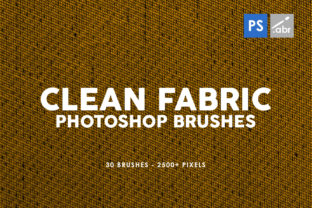
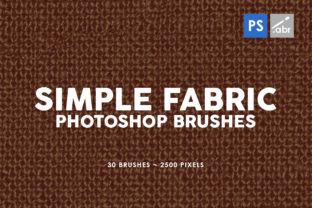
In the realm of digital art and photo manipulation, achieving realistic surface textures is often the dividing line between a flat composition and a compelling visual narrative. Among the vast array of tools available to designers, the 30 Simple Fabric Photoshop Stamp Brushes collection offers a focused solution for integrating textile elements into digital workflows. This set includes 30 distinct brushes, each designed to replicate the tactile qualities of various fabrics. With a maximum resolution of up to 2500 pixels and compatibility across all versions of Adobe Photoshop, these assets provide a versatile foundation for artists seeking to enhance their projects with organic material details.
Understanding the Asset Collection
The core value of this brush set lies in its specificity and ease of use. Unlike complex pattern generators or procedural texture plugins, stamp brushes function as pre-rendered impressions that can be applied directly to a canvas. The 30 Simple Fabric Photoshop Stamp Brushes are engineered to simulate the weave, grain, and irregularities found in real-world textiles. Because they are high-resolution assets, they retain clarity even when scaled for larger formats, making them suitable for both web graphics and print-ready designs.
Each brush within the collection captures a different aspect of fabric behavior. Some may mimic the coarse interlocking threads of burlap or canvas, while others might represent the smoother, tighter weaves of silk or cotton blends. The "simple" designation in the title suggests an approachable utility; these are not overly stylized or niche effects but rather fundamental building blocks for texturing. Their compatibility with any Photoshop version ensures that users working on legacy systems or the latest Creative Cloud releases can integrate them without technical friction.
Practical Applications and Use Cases
The versatility of these brushes allows them to serve multiple functions across different creative disciplines. For photographers and retouchers, they act as powerful photo overlays. By applying a fabric texture over a portrait or product shot and adjusting the blending mode, artists can introduce a sense of depth and physicality that raw digital files often lack. This technique is particularly effective in advertising, where conveying the touch and feel of a product through a screen is essential.
In the context of digital photo manipulation, these brushes enable the seamless integration of subjects into new environments. When compositing a character into a scene, matching the lighting and color is only half the battle; matching the surface texture of clothing or surrounding props is equally critical. The 2500-pixel size limit provides sufficient detail to hold up under close inspection, allowing for realistic wear, tear, and fabric distortion effects.
Furthermore, game developers and concept artists utilize such assets for visual effects and environment design. Whether creating UI elements that look like stitched leather or designing background walls with draped cloth, these stamps accelerate the workflow. Instead of painting every thread manually, an artist can lay down the base texture instantly and then refine it. They also serve excellently as decorative elements in graphic design, adding a tangible quality to posters, album covers, and editorial layouts that might otherwise appear too sterile or vector-based.
Benefits and Workflow Efficiency
The primary advantage of adopting the 30 Simple Fabric Photoshop Stamp Brushes is the significant reduction in production time. Creating convincing fabric textures from scratch requires a deep understanding of light interaction, weave patterns, and noise distribution. For many projects, especially those with tight deadlines, hand-painting these details is impractical. This collection democratizes access to high-quality texturing, allowing artists of varying skill levels to achieve professional results quickly.
Another benefit is the non-destructive potential of stamp brushes. Since they are applied on separate layers, designers can experiment with opacity, masking, and color grading without altering the original image data. The high resolution ensures that the texture does not become pixelated or blurry when resized moderately, preserving the integrity of the final output. Additionally, the universal compatibility means there is no need to troubleshoot version-specific errors, streamlining the setup process for teams working in diverse technical environments.
Considerations and Limitations
While highly useful, it is important to approach this toolset with realistic expectations. As "stamp" brushes, they apply a static image rather than generating an infinite, seamless pattern automatically. If a project requires tiling a fabric texture across a massive background, users may need to employ additional techniques, such as the Pattern Maker or manual cloning, to avoid visible repetition edges. The 2500-pixel maximum size is generous for most standard applications, but for extremely large-format printing (such as billboards), further upscaling or vectorization might be necessary to maintain crispness.
Moreover, the term "simple" implies a certain level of generality. These brushes provide excellent base textures but may lack the specific, highly customized wear-and-tear details required for hyper-realistic close-ups in high-end cinematic work. In such scenarios, these stamps serve best as a starting point upon which further detailing must be painted. Users should also consider the aesthetic consistency of their project; if a design demands a very specific, unusual fabric type not represented in the 30 included options, supplementary resources may be needed.
Decision-Making Insights for Potential Users
When evaluating whether the 30 Simple Fabric Photoshop Stamp Brushes align with your goals, consider the nature of your typical projects. If your work frequently involves compositing, matte painting, or adding grunge and organic elements to digital illustrations, this set is likely a strong fit. It is particularly valuable for generalists who need a reliable "go-to" library for common textile effects without the overhead of managing complex plugin suites.
However, if your workflow relies exclusively on procedural generation or if you specialize in creating seamless, repeating patterns for textile manufacturing, you might find dedicated pattern tools or vector-based solutions more appropriate. Similarly, artists who require absolute control over every individual thread for macro-level realism may find that while these brushes save time, they do not replace the need for manual refinement.
Ultimately, the decision rests on the balance between speed and specificity. For the majority of digital creators looking to elevate the tactile quality of their work efficiently, this collection offers a robust, high-resolution, and universally compatible solution. By integrating these stamps into your layer stack, you can bridge the gap between the digital and physical worlds, adding a layer of sophistication that resonates with viewers on a subconscious, sensory level.